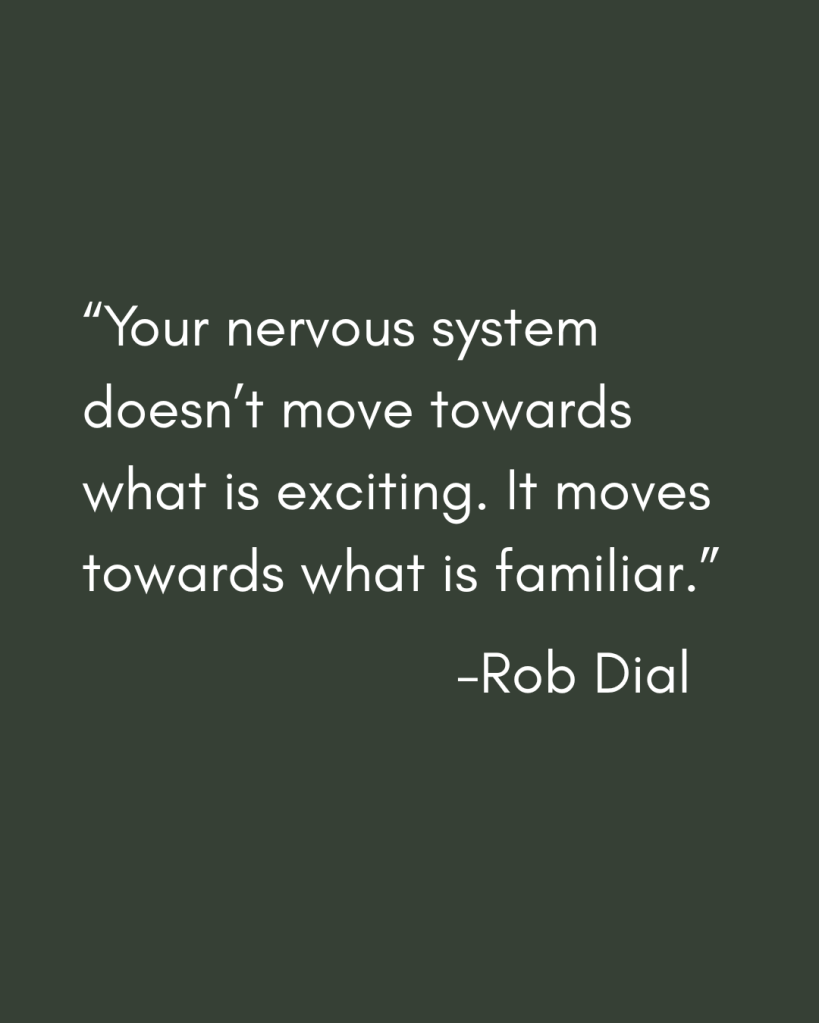
This week I heard a quote from Rob Dial, a motivational speaker on social media, “Your nervous system doesn’t move towards what is exciting. It moves towards what is familiar.” This quote really resonated with me. For much of my life I have struggled with anxiety and clinging to the familiar to ease my anxiety. It made me think about how many people think they are chasing goals, but the reality is they are chasing comfort or familiarity.
Our nervous systems are created to inherently prefer the familiar because predictability equals safety. The brain is designed to save energy and it is always looking to automate recurring experiences to conserve cognitive load. It is constantly searching for known patterns, even if they are uncomfortable or unhealthy, because the unknown is processed as an unpredictable threat. Familiar stimuli require less mental processing, which is easier for the brain, therefore it registers as positive and safe. The amygdala, part of the brain that detects threats, is wired to anticipate the future based on the past. If you survived a familiar environment or dynamic, your nervous system will naturally steer you back towards these same familiar patterns in order to guarantee survival, regardless of whether the experience was objectively healthy or not. Repeated behaviors and emotional states become encoded in the part of your brain called the basal ganglia, which controls voluntary motor control, procedural learning, and reward-based decision making. This wiring can become very ingrained and incredibly difficult to break and retrain.
Since the nervous system equates unfamiliarity with danger, attempting sudden or big changes can trigger the fight- flight response. You can break the loop by gradual exposure. When you introduce micro steps, it makes change more manageable and your brain is more easily able to process the new in your routine as safe. This can be something as simple as visualizing that scary thing you want to do, then take one small action towards this new thing, then keep taking small steps towards your ultimate goal. You can also practice somatic regulation. This is just consciously calming your body when you begin something unfamiliar. You can do things like box breathing or paying attention to your 5 senses to ground you. This is a signal to your nervous system that everything is okay and you are not in danger. You can also consciously remind your brain that the discomfort you feel is normal for someone trying something new, and is not actually dangerous. We must continue to expose ourselves to the unfamiliar over and over again to get used to that feeling of being in a situation that feels scary because it is unfamiliar. Over time this gets easier and you are able to do more and more exciting things! Ultimately, familiarity is built over time, it is not innate.
Because our nervous system tricks us into wanting to stay comfortable, we must recognize that if we want change in life, it’s not always necessarily about more motivation or more discipline. What we really need to focus on is creating that familiarity in our lives. Once we have that mastered, we are actually able to move towards the exciting!
Here is the YouTube video I shared in conjunction with this blog post.
When was the last time you were engaged in small talk and someone asked “what do you do?” If you’re like me and primarily a homemaker, it may feel almost embarrassing to admit that you stay at home. It can make you feel less than or like you are not doing enough in life. It is difficult to not minimize the work you do and answer, “I’m JUST a homemaker.” The truth is, what you are doing for your partner and your family is very valuable! Not only making their lives easier and more efficient but also if you put actual numbers on what each task homemakers do is worth, you would be surprised at the total amount you would actually make!
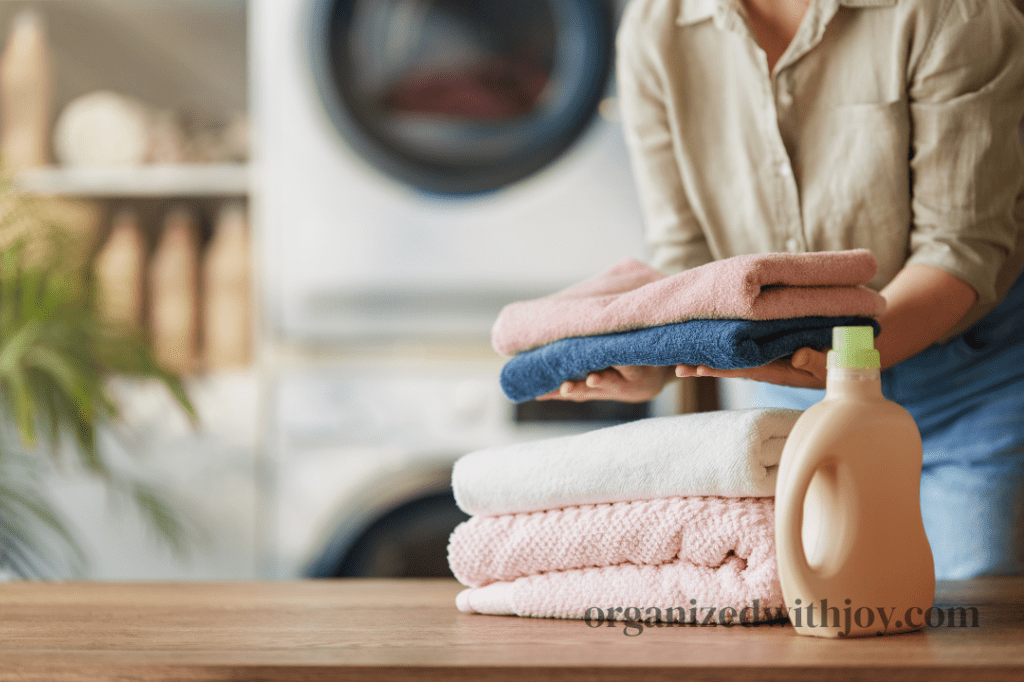
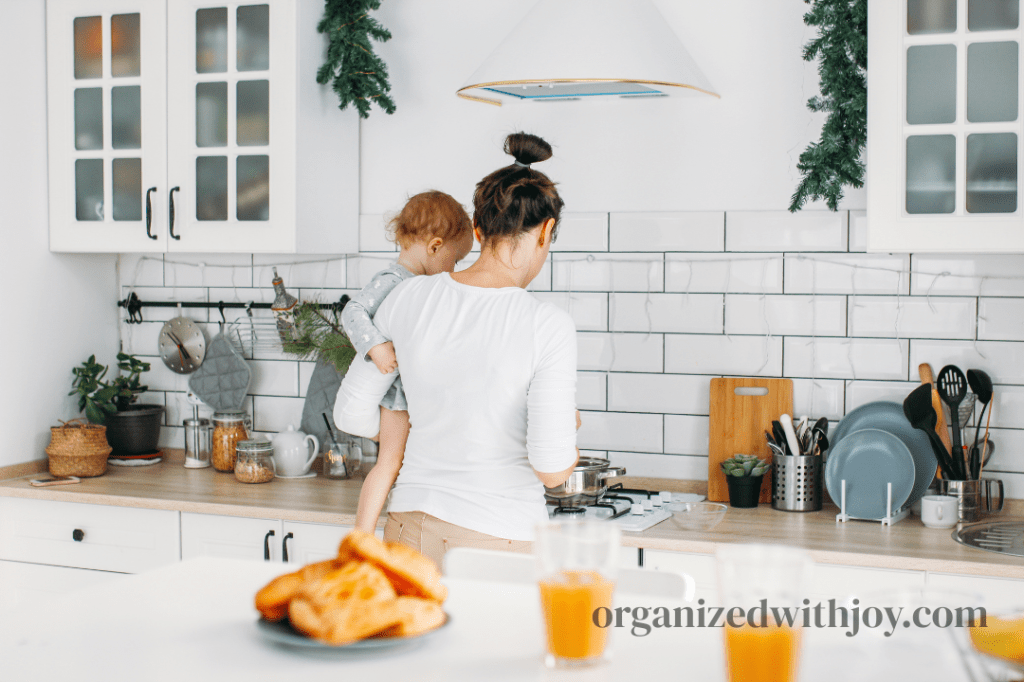
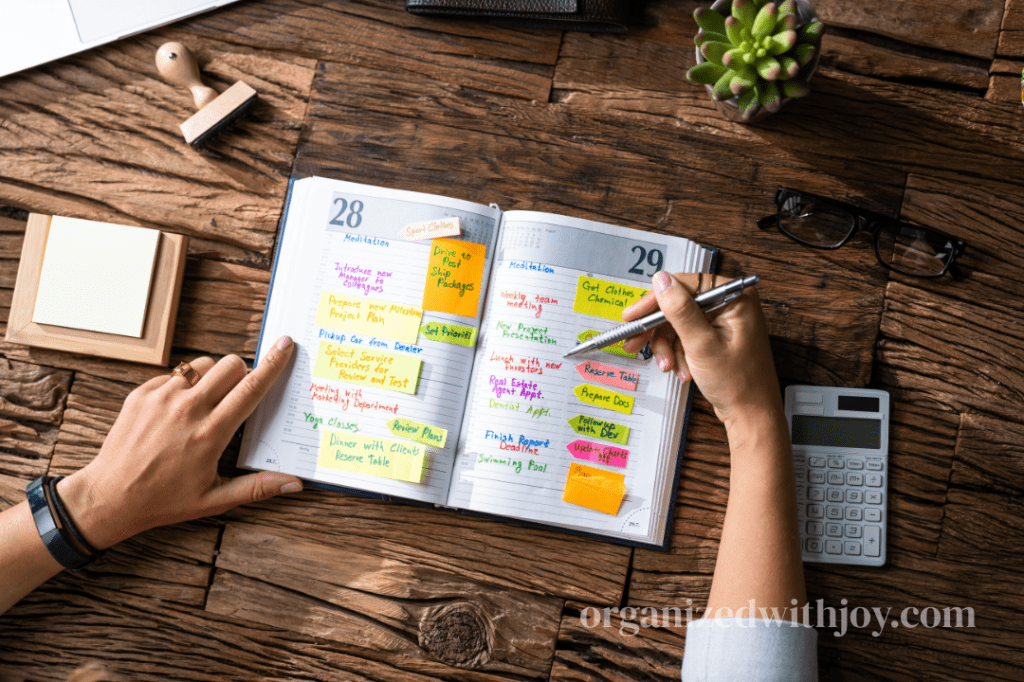
For me as primarily a homemaker, my day starts bright and early. I typically get up before anyone else. I have already done several tasks before anyone gets out of bed. Keeping a household running may seem simple, but it’s not as easy as it looks to actually keep track of everything that needs to get done in a day, week, or month to keep the home running smoothly and efficiently. Homemakers have to spin many plates every day, especially if their kids are still young. They simultaneously hold the roles of: chef, chauffeur, child care provider, housekeeper, laundry specialist, tutor, scheduler (or administrative needs), emotional support, personal shopper, nurse, landscaper, and the list could probably go on and on. This doesn’t even account for the time and energy you might put into your own health and wellness or self care or anything extra you might do for your household like DIY projects and decorating. None of this shows up on a resume, none of this earns a paycheck, and most of it goes completely unnoticed, until it doesn’t get done! All of this IS work, which takes time, effort, and energy, so it DOES in fact have value!
I did want to share some statistics with you to give you a picture of the monetary value. According to Insure.com’s 2025 Mother’s Day Index, if America’s mothers were paid for their work around the house, they would have earned an annual salary of $145,235 – a 4% increase from the prior year. That figure is based on how much you would get paid for each of these unpaid labor roles like cook, childcare worker, chauffeur, housekeeper, laundry, landscaping, personal care aide. For example, a mom spends about 14 hours per week preparing meals. Cooks average $17.14 per hour, which adds up to $12,478 a year for time spent in the kitchen. If you add up all of these roles you would get a 6 figure income. Another source, Salary.com has estimated the median annual value of a stay at home mom’s work at $184,820. Figures may vary from source to source, but I think the commonality is that they all land somewhere at the 6 figure mark. And here is an interesting statistic: if you were to do the same math for father’s it comes out to be somewhere around $61,000 per year, which is less than HALF of the work the mother is putting in. I recognize that this isn’t necessarily true for all families, this is just a generalization, but it does show how invisible the stay at home mom or homemaker’s contribution is!
Society has long equated value with income. I feel like this is especially true with the hustle culture in America. If it doesn’t pay, it doesn’t “count.” I do think this is what makes staying at home so difficult. You feel as though you are not contributing enough because you don’t have that paycheck coming in. On top of that, I think generally women are socialized to be humble, to not take up space, to not boast about their own worth. Whereas for men, this is perfectly socially acceptable. The “I’m JUST a stay at home mom” language is a perfect example. I know for me, I’m tempted to add that word “just” instead of proudly stating I’m a homemaker. If you recall, I talked about that word “just” a couple weeks ago when we were discussing the stories we tell ourselves. Putting that word “just” in there is a story we are accepting that being a stay at home mom or homemaker doesn’t have value. We need a mindset shift on that because our work is very valuable and not easy! This can especially come up in circles where some moms stay at home and some work outside of the home. I know from being a stay at home mom that you can feel inferior towards the moms who work. But the reality is, they are often hiring people to do the work that you are doing. They may have a house keeper, they may order food out more often, they may even have a nanny or a family member who helps with the kids and their activities. I mention this not to say one is better than the other, on the contrary – to say we are BOTH doing hard work!
I think it is really important to see your work as valuable if you stay home because it affects your confidence, sense of identity, and mental health. Seeing the value you bring to the table will help you more accurately advocate for yourself when making financial decisions with your partner. The other reason it is important to see your value is because it is often the homemaker who resists asking for help, support, or rest because they feel like they have not “earned it,” when in reality they may be more burned out than their spouse or peers who work outside of the home. This isn’t about demanding a paycheck from your spouse, but instead about an internal shift in how you see yourself. Some practical reframes you can use to help you is number one, quit using the word “just” when describing yourself as a homemaker. Also, name all of your roles out loud, or write them down. Naming all of the roles you are playing can help you to better value the work you are doing. Another important thing you can do for yourself is recognize that rest is not laziness. Rest for a homemaker is maintenance for someone whose job never stops. Building in times of rest both daily and weekly is important. I take a coffee break every afternoon, and I don’t work on Sundays to help with incorporating intentional times of rest. Lastly, remind yourself that your contribution to your family is not invisible even if it may feel that way.
As a stay at home mom or homemaker, you may not get handed a paycheck for your work, but YOU get to decide how much you value yourself – and that starts with the language you use about your own life. Where in your life have you been using the word “just” to shrink something that deserves to take up more space? Is there a role you have played where you wish you got more recognition? Do you have experience undervaluing your own work? If you feel comfortable, share in the comments!
Here is the YouTube video I shared in conjunction with this blog post.