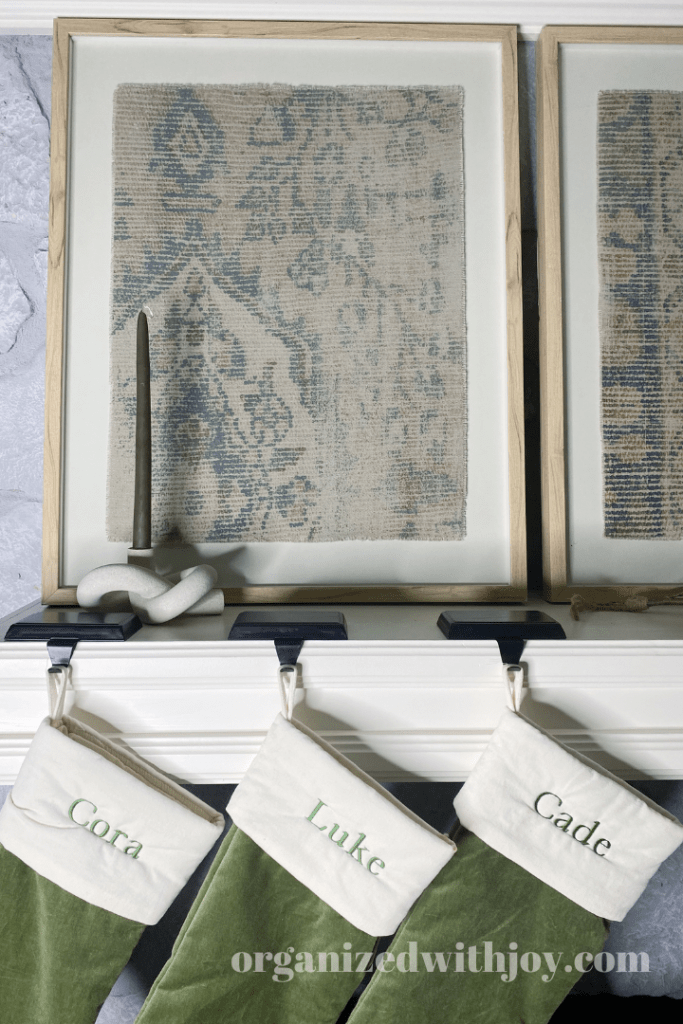
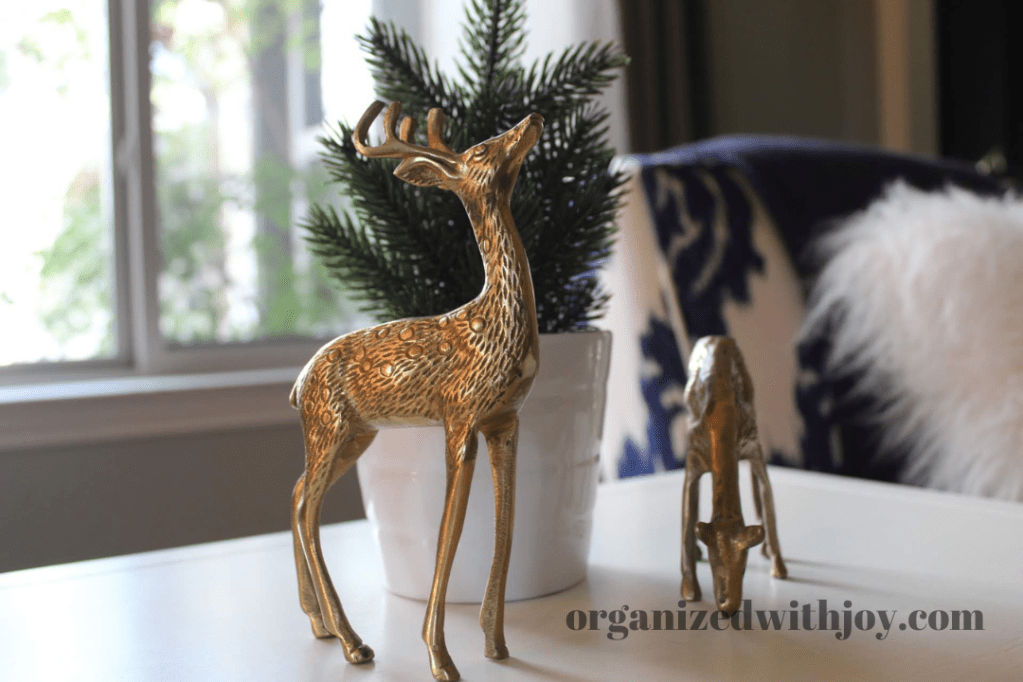
BALANCING MINIMAL AND COZY

It’s that time of year where we all want our spaces to feel cozy! Fall equals soft blankets, candles burning, cozy sweatshirts, and baking all of the fall goodies! But today I wanted to talk about the struggle I have had as I pursue minimalism to create spaces that are minimal but also cozy!

When I first started pursuing the idea of becoming minimalist I thought I could never be a minimalist because I really enjoy decorating our home to make it more cozy and inviting. Eight years later, I’m realizing that “minimalism” is not a one size fits all. There is no true definition of minimalism, or a box you can put it in. To me, it just means living with the things I use and love. With this in mind, I wanted to share with you the ways I make my home cozy and inviting while still striving towards minimalism.

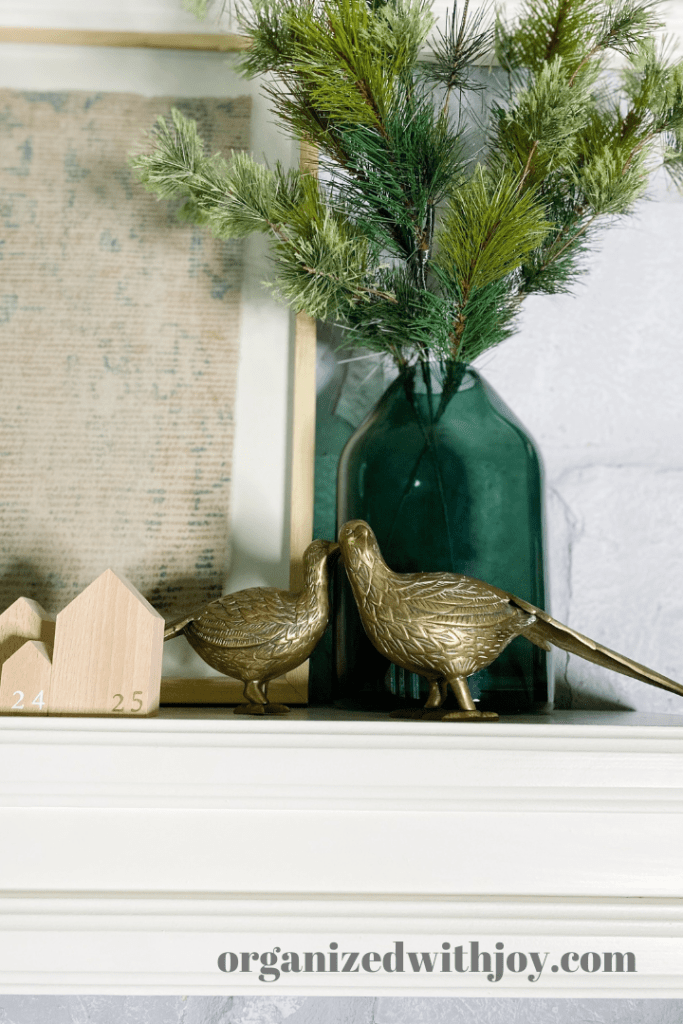
It can be challenging to find the balance between minimal and cozy for me as I love decorating and making our spaces feel inviting, but I also don’t want my spaces to feel too cluttered. For me it has just been a process of trial and error, living with decor set up and deciding how it feels and if I hit that balance. I feel like the longer I have pursued minimalism, the better I get at figuring out that balance.
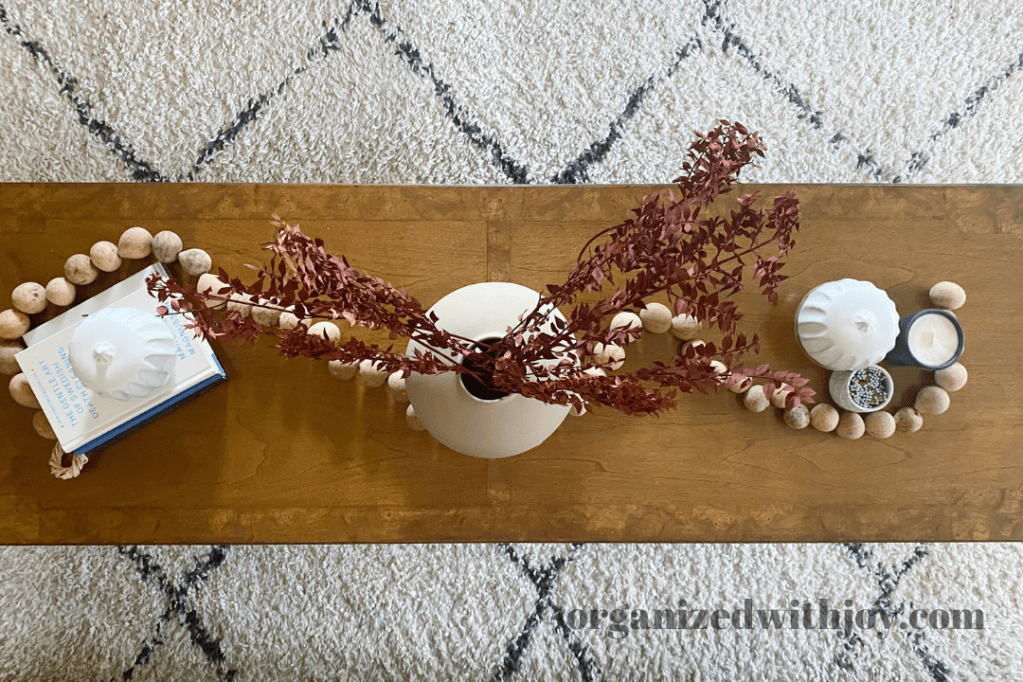
I do like having some holiday decor pieces, however I also like to have some items that I just leave out year round and might rearrange them for a new look. Rearranging my decor helps me to keep minimal extra decor stock in my home, because it feels fresh and new when I move it to a different room, or set pieces up in a different arrangement. I also like having pieces that transition well into multiple seasons so I’m not taking all of my decor down for each new season.

Another way to achieve cozy and inviting spaces in your home has nothing to do with physical stuff, but it’s more about making a space feel a certain way. This is the idea of Hygge (pronounced HOO-GUH). This is a cultural practice that was first used in Denmark, but has been used throughout the Norwegian countries. I’m not sure if you have heard of this term before, but it incorporates focusing on the five senses, using different textures like with pillows and blankets, using ambient lighting, having calming music playing in the background, having a scented candle burning, an oil diffuser going, or even something cooking or baking in the oven. Having a delicious home cooked meal, or a homemade loaf of bread can make a space feel cozy! You don’t necessarily need stuff to create that cozy and inviting feeling in your home.

Another way to achieve that cozy feeling while still keeping things minimal is creating an environment where people feel welcomed – whether that’s family or friends. Focusing more on the relationships – conversations, hugs, or cozying up with one another under a blanket provides that inviting feeling. Arguably, stuff just distracts from those intimate moments!

Something else that makes a space feel cozy, even if it’s minimal, is a space that is in order. Of course I’m going to mention the importance of organization and cleanliness to create that cozy and inviting feeling. Chaos in our physical space can breed chaos in our minds, which does not lend to a feeling of coziness or peace. Just having a clean and orderly space can help you achieve that feeling of coziness, and obviously that is easier to do with less stuff to take care of.

When I first started pursuing minimalism and would see some of the images in blog posts or in videos, I wasn’t sure that was for me. I didn’t like the idea of living in a space that had sparse things. But now I’m learning there is a balance and I can achieve both minimal AND cozy! I love to hear from you in the comments! Let me know if you are trying to pursue minimalism and have that balance between minimal and cozy. Or let me know how you make your spaces cozy for the fall season!

Here is the YouTube video I created in conjunction with this blog post if you would like to check it out!

5 THINGS MINIMALISTS DON’T TALK ABOUT

For today’s Thoughtful Thursday post I wanted to talk about something I was wrestling with and thinking about during the process of decluttering old fall decor, and adding in the new pieces this year. If you missed it, on Tuesday I shared a video on my YouTube channel with my fall haul and old fall decor declutter. But I wanted to share with you what was going on behind the scenes in my mind. It did take me several days processing with friends and evaluating my reasoning behind why I decided to purchase new fall decor before I felt confident in my decisions.

If you have been reading my blog posts for a while, I am sure you have heard me talk about how I have been pursuing minimalism for several years now. As I processed through my decision to add new fall decor this year, I thought of 5 things most minimalists don’t talk about. I wanted to share these with you if you are on your own journey to become more minimal, or just on a decluttering journey. 

The first thing I wanted to share is that minimalism looks different for everyone. As a matter of fact, I wrote a blog post about this very topic. Because minimalism doesn’t have hard and fast rules, it can be difficult for me to navigate becoming more minimal. To be honest, I am the type of person who works better under rules, but I do appreciate the fluidity of minimalism. Everyone is in a different life stage, requiring different things. Everyone has different passions and hobbies, and different things are important to them. For me, I love making our home cozy and inviting. I do that with home decor, pillows, blankets, and art.

The second thing I wanted to share is you don’t stop purchasing things altogether when you are pursuing minimalism. One of the most difficult things for me is making decisions on bringing new pieces into my home. I like to be very intentional about what comes into my home, so I know I tend to overthink and overanalyze every purchase. It makes it difficult for me to make decisions, and I often feel guilty when I buy something new. But, I know logically that this is not healthy. I don’t think when you begin to pursue minimalism that means you will never buy anything again. That’s just not practical. For me, since home decor and styling is a passion and hobby of mine, that means I will be removing old decor that I don’t love as much as I once used to and replacing it with new items.

The third thing most minimalists don’t talk about is how decluttering is an ongoing process. Like I mentioned, there will most likely be new items coming into your home regularly. I am sure there are a small percentage of minimalists who purchase nothing new, but for most decluttering is just a part of the process. This is why you will see a monthly declutter with me video on my YouTube channel where I share everything I decluttered for that month. Decluttering is an ongoing habit I have incorporated into my routines. This is how I can keep our home minimal.

The fourth thing I wanted to share is that pursuing minimalism helps you to be more honest with yourself when evaluating your purchases. When I first started pursuing minimalism, I didn’t realize how this would cause me to be really cautious about the items I purchase. One of the things I spoke with a friend about regarding my new fall purchases was the idea that I might just be doing this for content and would I do this even if I didn’t have a YouTube channel. She wisely encouraged me, even if I was doing it for content, that would be okay! It is my job after all, and creation is part of the job! Even if that didn’t bring me solace, ultimately I do think I would have still replaced my old decor even if I wasn’t sharing it on YouTube. I am hyper aware of sharing on YouTube in an authentic way, while still creating aesthetically pleasing content.

The fifth and final thing minimalists don’t talk about is the struggle to remain balanced. It can be a challenge to fight against consumerism. Many people in Western culture buy new home decor every season! I think this is why I overanalyze my purchases. I wonder if I’m getting sucked back into consumerism, or if I am truly being thoughtful and intentional with my purchases. It can be difficult to remain disciplined about what you bring into your home. I think most minimalists don’t talk about how difficult it is! I hope one day I can get to the place where I’m confident in the balance.

I do find it a little comical in hindsight that I was feeling bad about replacing fall decor that I have now owned for almost 20 years! I remember purchasing a good portion of that decor when my son was a baby, and now next month he turns 20! So, I think it’s okay to replace it!

THE IMPORTANCE OF BEING CONSISTENT

Okay friends, for today’s Thoughtful Thursday post, I wanted to talk about consistency. I really believe that one of the most important virtues for success in life is consistency. This applies to almost any area in life. Whether it’s relationships, health and fitness, hobbies, or positive habits.

First I wanted to talk about how consistency is important in relationships. Relationships don’t grow organically. We must be intentional about spending time with those we love. We must show up consistently to foster those close knit relationships. Also when we consistently follow through on promises, meet deadlines, and maintain our commitments, we gain the confidence of others. People are more likely to trust us when we exhibit dependable behavior, which leads to strong relationships both personally and professionally.

In addition to being important in relationships, consistency is a great pathway to mastery. In any hobby or professional related endeavor, the best way to get better or to master something is consistently practicing it. Have you ever played an instrument? If so, you know the importance of consistently practicing to get better or to master it! 

Consistency also helps us to overcome adversity in life. Life does not always go smoothly or the way we plan, and challenges are inevitable. Consistency equips us with the resilience to deal with the difficulties of life. When we are consistent, setbacks become opportunities for growth and learning. The ability to remain focused on the long-term goal, despite temporary setbacks, helps in overcoming obstacles and achieving success.

Consistency is important for developing healthy habits. Consistency is the best way to have success in any healthy habit – whether it’s eating healthy, exercising, a good skin care routine, or healthy sleeping habits. If we want to see change, we must day in and day out continue to be consistent.

Along those same lines, consistency works far better than perfection when we are trying to make a lasting change. We will all have days or even weeks where we don’t remain consistent with something we have committed to. Maybe it’s a sickness, or a family emergency, or even going on vacation that causes us to not follow through on our commitments. We can’t allow these things to derail our progress or derail the momentum we have. If something in life causes us to fall away from our routine of consistency, we must get back to it as soon as we can! 

Something else I wanted to share is that consistency inspires others towards remaining loyal and dedicated. Our dedication and tenacity towards something can be an encouragement or inspiration to others around us. When they see our unwavering determination it can inspire them to follow suit and pursue their own goals in life. Consistency can set a positive example to our children and others who look up to us, but even to our peers, colleagues, or family members. We can foster a culture of growth mindset for those who are in our lives!

Ultimately if we want long term, sustainable success, we must be willing to be consistent. In this time of distractions and instant gratification, consistency can be the compass that helps keep us pointed in the right direction. It’s the steady progress over time that leads us to long term success. When we are consistent in our pursuits in life, we are more likely to reach our goals and maintain a healthy balance in life. It’s not easy to remain consistent in life, but when we do we will begin to see lasting changes.

Here is the YouTube video I shared in conjunction with this post!

FOCUS ON YOUR HEART!

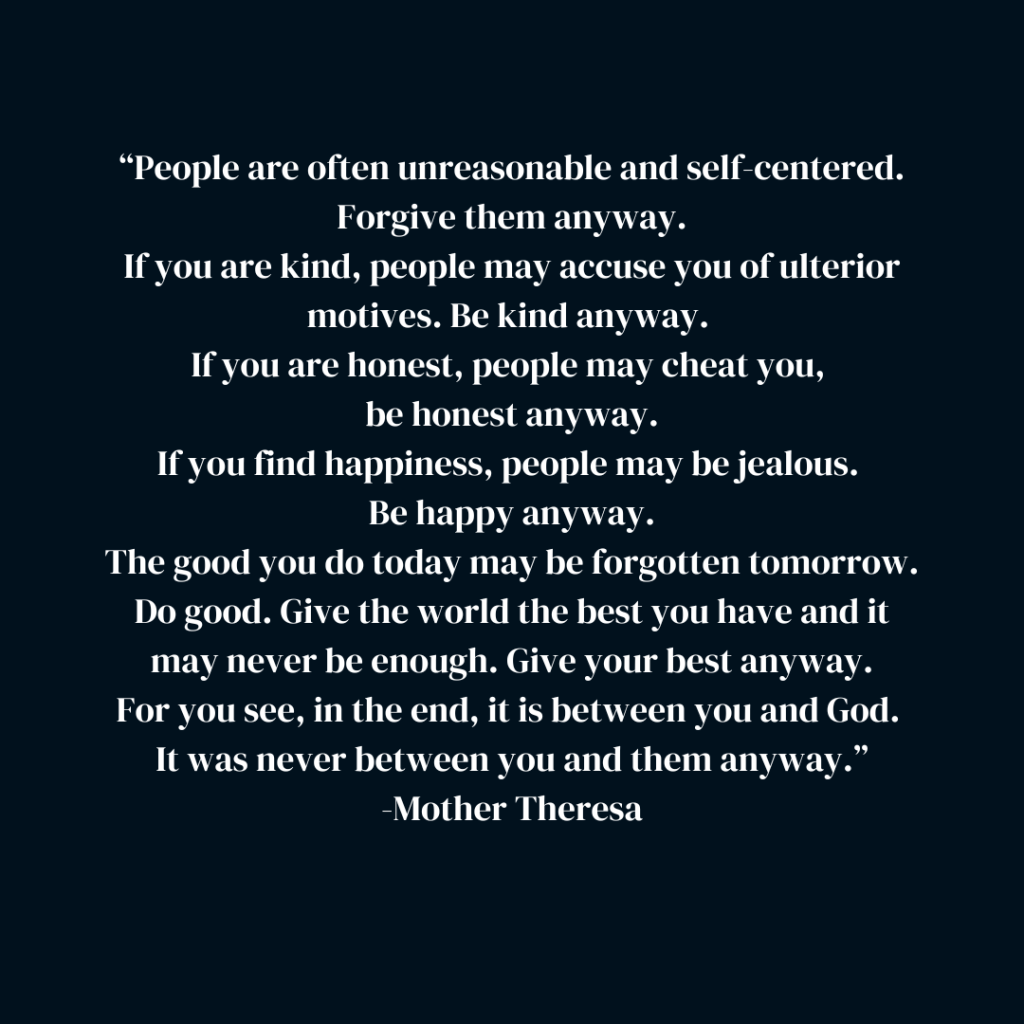
Okay friends, for today’s Thoughtful Thursday I wanted to share a quote that my friend Jo shared with me. Jo also has a YouTube channel, Minimal Zebra! This quote is from Mother Theresa and it says, 

“People are often unreasonable and self-centered. Forgive them anyway. If you are kind, people may accuse you of ulterior motives. Be kind anyway. If you are honest, people may cheat you, be honest anyway. If you find happiness, people may be jealous. Be happy anyway. The good you do today may be forgotten tomorrow. Do good. Give the world the best you have and it may never be enough. Give your best anyway. For you see, in the end, it is between you and God. It was never between you and them anyway.”

It can be challenging to deal with people who are unreasonable and self-centered. Oftentimes this behavior is a result of internal struggles the person is going through. When we recognize that people who are unreasonable and self-centered are likely going through or have gone through really difficult things, it can make it easier to have compassion on them and forgive them.

One thing I have learned from having a presence on social media, well and really just in life in general, is that people may misunderstand you. This is something that is really difficult for me as a people pleaser. But I am learning to realize that all that really matters is what is in your heart. People will interpret your actions and words however they want, but they don’t know what is in your heart. All we can do is focus on being the best we can be – a kind, caring, compassionate, and loving person. Also recognizing that we will make mistakes and we won’t always be perfectly kind, caring, compassionate or loving. But all we can do is our best. I’m learning to focus on the internal more than the external, because behavior, if even seemingly good on the outside, doesn’t always reveal true heart motives.

People often misunderstand you when they don’t know you well. Either acquaintances in your real life, or people seeing your content online. They don’t know what your life is really like. They don’t know what you endure day in and day out, especially if you are going through things that you don’t share openly about on social media. You know your heart and your motives, so if those are right you have nothing to worry about!

Ultimately we are only responsible for ourselves. Our behavior, our motives, our thoughts. We can’t control what others do, say, or think. In my opinion, it is better to live in such a way that we do the best we can do each day. “Give the world the best we have” as Mother Theresa says. It might not be “enough” by the world’s standards, but when you know you gave it your all, then you can sleep well at night. When you live with integrity, you have nothing to be ashamed of and nothing to hide. And when you do make a mistake and don’t live in such a way that you are proud of, then you make a different choice tomorrow!

As someone who is a people pleaser, or like I like to call myself a recovering people pleaser,  it can be easy to get wrapped up in trying to convince people you are a good person. I’m realizing this is a complete waste of energy. We must put our energy into BEING a good person and let the chips fall where they may so to speak. As Mother Theresa so wisely pointed out: “it is between you and God. It was never between you and them anyway.”

It is not always easy to do, but focusing on your own life, your own happiness, and your own goals without worrying about others’ opinion of you is the healthiest way to live!

This is the YouTube video I shared in conjunction with this blog post.

7 TIME WASTERS

Okay friends, for today’s Thoughtful Thursday post I wanted to share with you ways that we can waste our time. Especially if you are a homemaker, it can be easy to fall into these habits of wasting time. I hope by sharing these 7 time wasters with you, I can encourage you to be more efficient in your day, giving you more margin to do the things you love!

The first time waster is inefficiency in chores, responsibilities, or activities. I have found it really helpful to batch activities for efficiency. Running errands is a perfect example. It makes more sense to run all of your errands at once while you are already out and about then to do them throughout the week. This is especially true if you don’t live close to stores. Another example is checking your email or other notifications on your phone. Set aside times during the day when you will check email and other notifications to respond to emails or social media comments at the same time. It can be a big time waster to continually open your phone to respond to things like this throughout the day. Included in this is even batching your rest time! I personally have found it really helpful to have one day a week where I do not do any work!

The second time waster I wanted to share with you is the amount of time we spend choosing our clothes for the day. Now, if you’ve been around for a while, you will not hear me tell you to become a minimalist and wear black t-shirts everyday! That is not my style at all. I love having lots of options and being able to creatively put together outfits. However, I did want to suggest having a uniform. I do like to wear a uniform. In the summer I wear shorts with a t-shirt or button up, and in the winter I wear jeans with a t-shirt, button up and layer with cardigans and sweaters. I will say, more recently I am rotating in some dresses and skirts as I have been trying to wear everything in my closet. I am really enjoying adding these pieces into the rotation! And of course there are some days where I just stay in my workout clothes all day! Having a uniform cuts down on the time it takes to make that daily decision, and it prevents decision fatigue. 

The next time waster is trying to remember everything that needs to get done. I absolutely love lists! Having daily to-do lists helps me to get these things that need to get done out of my brain and onto paper. You could use digital to do lists if that is your preference, I just love writing things down with pen and paper! In addition to daily to-do lists, I would also suggest keeping a running master to-list – everything that needs to get done at some point but you’re not necessarily going to do it today. You can reference this master to-do list as you are making your daily or weekly to-do lists to incorporate these tasks throughout your week. Again, just getting these tasks down on paper relieves your brain from having to remember them!

Similar to that, we waste time trying to remember all the appointments and where everyone needs to go. I would recommend keeping a calendar – either a physical calendar, a digital one, or like me you could use both. When my kids were younger, I liked to color code my calendars with a color for each person so it was easy to know who had activities or appointments for each day. You could also color code the activities. Perhaps errands could be one color, chores another, and desk work another color.

The fifth time waster I wanted to share with you is trying to figure out when to do what needs to get done. This would be more so for chores or tasks that need to get done each day or each week. I like to have a regular schedule of when I get my basic chores and errands done so I don’t need to waste time thinking about when I will get each task done. Each week I have set aside time to get these chores done. I find that it works best to do two to three chores each day of the week and then you don’t need to worry about it for the remainder of the week. For example, every Monday I do our laundry; every Tuesday I give our kitchen a deeper clean; every Wednesday I pick up our groceries. By having the same schedule each week, I don’t have to waste time thinking about when these tasks will fit into my schedule for the week. 

Along those same lines, we may waste time by not having a regular sleep schedule. When our sleep schedule is unpredictable, we won’t know how much time we will have each day to accomplish our to-do lists. Studies have shown that it is far more healthy to stick to a regular bedtime and wake up time. Yes, even on the weekends! When we have a regular sleep routine, not only is it a healthier way to live, but it also allows us to be more efficient in our work. We are also less likely to feel tired when we keep a regular sleep schedule and so we are able to get our work done!

The last time waster is an obvious one, and I know it’s a tough one as I myself struggle with this… we waste time on mindless entertainment – either scrolling social media, or watching Netflix or YouTube. I understand that these things are a part of our lives, but I wanted to encourage you to unplug from time to time. Ideally we would come up with appropriate boundaries for ourselves on how much and how often we engage in this entertainment. I think we could all stand to cut back on our social media usage and tv watching, ME INCLUDED! I used to not open any of the social media apps on my phone on Sundays as a part of my rest day, but slowly it crept back in. Not to scroll, just to keep up with chats, DMs, and notifications. However I really think it would do me good personally to get back to the habit of not looking at social media at all for that one day a week.

The video I posted on my YouTube channel in conjunction with this blog post.

COMFORT CULTURE + WHY PAIN IS IMPORTANT

Okay friends, for today’s Thoughtful Thursday post I wanted to talk about comfort culture and why it’s dangerous. Somewhat adjacent to that idea, I wanted to talk about the importance of pain in our lives!

So before I get into this conversation I feel like I need to make a disclaimer. I want to acknowledge that dealing with pain – whether physical or emotional – is challenging. I don’t want to minimize what some of you may be going through on a daily basis. Also, putting yourself through pain and discomfort just for the sake of it with no goal in mind is not necessarily beneficial. We do not need to be martyrs. But I will get into that pain/pleasure balance later. 

The first thing I wanted to talk about is self care. I feel like in our culture these days there are a lot of people promoting self care and the importance of self care. However, often I think this term “self care” is shared more in the context of self indulgence. Like: take a bath, get your nails done, get your hair done, go on a shopping spree, buy that fancy coffee. I would like to argue that self care is not always self indulgence. Self care is not always something that feels comfortable. In my opinion, a lot of healthy self care is not comfortable or easy. Take exercise for example. Moving your body every day is self care. Quite literally taking care of yourself. Can self care be those more indulgent or comfortable things? Of course! But I want to encourage you to think of ways you can take care of your body – self care – on a daily basis! Like exercise, getting plenty of rest, eating healthy foods, or other healthy habits.

Next, I wanted to get back to that pain/pleasure balance. The other day I watched this really fascinating video on YouTube about finding balance in this age of indulgence. It was shared on a YouTube channel I really enjoy, After Skool. I will do my best to concisely explain what the doctor in this video explained about the importance of balancing pain and pleasure. 

She explained that the same part of our brains process both pleasure and pain. She described the need for balance of pain and please like a see saw or scale in our brains – with pleasure being on one side and pain being on the other. Our brains want this to stay level. When we experience pleasure, our brains release a chemical called dopamine, which I am sure most of you are familiar with. But as soon as our brain produces this chemical, it tries to regain balance by downregulating our dopamine receptors. She described this as little gremlins jumping on the pain end of the see saw for this balance to be achieved. If we stop the pleasurable activity, those gremlins eventually hop off of the other side. But if we continue to indulge in something pleasurable, then the gremlins continue to multiply and eventually we change our homeostasis set point. Now you need to continue doing that pleasurable thing just to feel normal. She explained this in the context of addictive behavior and how we keep going back to that behavior in order to feel normal. One of her suggestions to this problem, and what she had suggested to clients, is to do a dopamine detox where you cut out whatever that behavior is: watching tv, scrolling social media, or playing video games, for a period of time in order for your brain to reset and for all the gremlins to jump off the see saw. The video describes everything in more detail, so I highly recommend checking it out! But it reminds us of the importance of balance and why we must fight against constantly seeking out comfort.

I have talked about the importance of stepping outside of our comfort zones in life. I even had a whole series on my YouTube channel where I challenged myself to do things outside of my comfort zone. It’s when we challenge ourselves in this way that we grow and become stronger – either physically and/or emotionally. Unfortunately that is not an easy thing to do in this day and age when so much entertainment is available to us! We must be intentional with pushing ourselves away from constant indulgence and towards things that will be better for us in the long run!

I wanted to share with you about a book I read quite a long time ago, however it was so impactful that I remember it to this day. The book is Where’s God When It Hurts by Philip Yancey. I specifically remember a story he shared in this book about how people who contract leprosy do not always die from disease itself. They die from the effects of the disease. What happens with leprosy is that you can no longer feel pain, therefore you might cut your hand or stub your toe and not notice it. Oftentimes these things will get infected, but because they don’t feel pain they might not notice that a body part is infected. His point is that pain is an indicator for us. Pain lets us know that something is wrong. Because of this, we can have a different perspective about pain, and be thankful that we can feel pain so we know when something is wrong. This can be physical pain, but even emotional pain helps us know when something is wrong, and therefore we can respond to it!

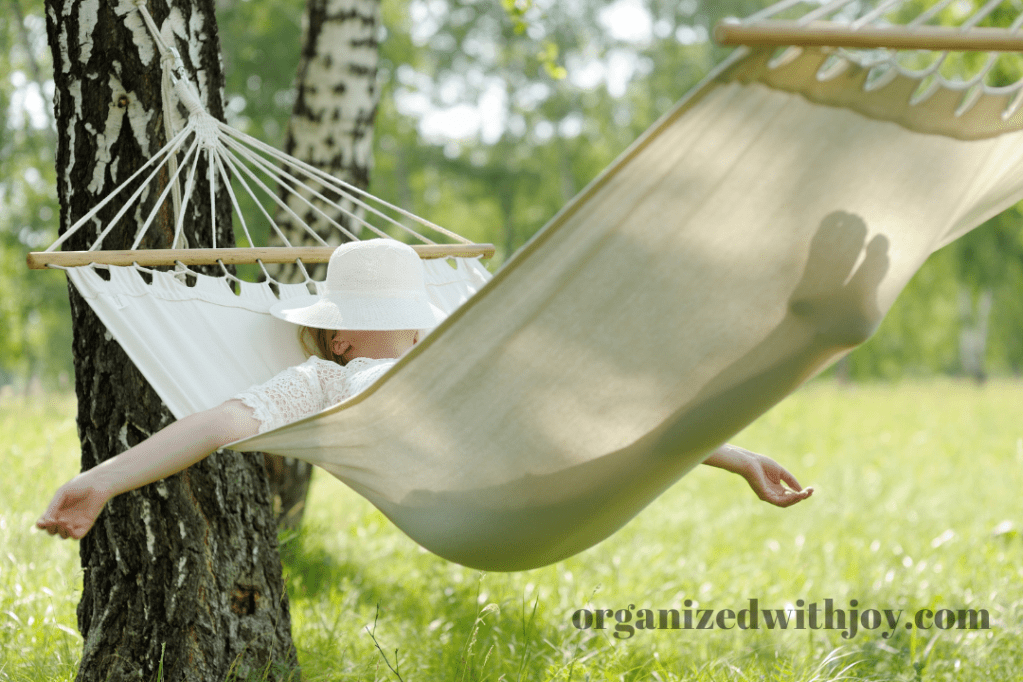
Like I mentioned, in this day and age it is not easy to remain disciplined in how we spend our time. I just wanted to encourage you today to see the value in doing things that are not easy, doing the things that are outside of your comfort zone in order to become the best version of yourself! I find it funny that this was what I had planned to talk about in conjunction with the back yard clean up YouTube video {{linked below}} because while I didn’t think about the connection at the time I was planning it, it was certainly not an easy task to clean up this back yard, but as I lay in my hammock this morning I realized it was so worth it!

Here is the YouTube video I posted in conjunction with this blog post.

DEBUNKING THE BUSYNESS CULTURE

Okay friends, for today’s Thoughtful Thursday post I wanted to talk about the culture of busyness. I have often talked about living intentionally, and part of that is living at a slower pace – spending time on the things I love and the things that are important to me, and cutting out the things that just keep me busy.

In today’s fast-paced world, many people are proud of how busy they are. They may believe this busyness is a sign of importance or productivity. Today I wanted to challenge this glorification of busyness and the idea that constant activity is synonymous with success and/or fulfillment. I wanted to debunk this idea that busyness is always positive by sharing the detrimental effects it can have on our mental well-being, relationships, and overall quality of life.

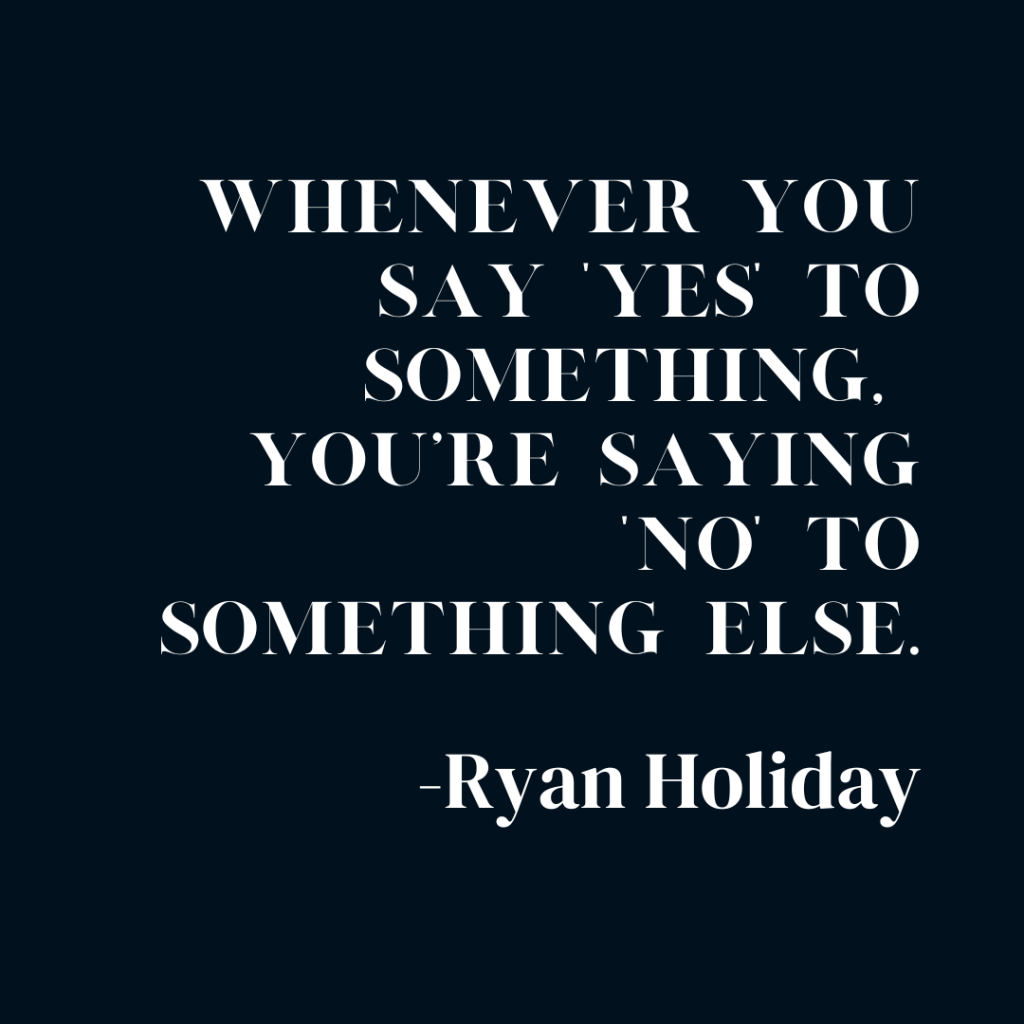
Ryan Holiday, an author and content creator has said this: “Whenever you say ‘yes’ to something, you’re saying ‘no’ to something else.” We all make decisions on how to spend our time. And we all have a finite amount of time. If we say yes to lots of things, then we may be forfeiting time to rest and rejuvenate. 

One of the primary things I wanted to talk about is this assumption that being busy equates to productivity. The reality is, busyness often leads to inefficiency and burnout. When we have a lot on our plates, our ability to focus on and prioritize tasks diminishes. This affects our productivity and our quality of work. Being busy is different from being productive, and I think people often don’t realize this.

Something else I wanted to address is the effect constant busyness has on our mental well being. The constant pursuit of busyness can over time take a toll on our mental health. Having nonstop obligations leave little room for rest, relaxation, and self-care. All things that I think can be undervalued. This can lead to stress and anxiety which causes emotional exhaustion. Rest and relaxation are not a negative thing, these are not things to be viewed as being lazy, but instead as part of a healthy lifestyle. Scheduling in times of rest prevents you from being lazy by making a plan in your schedule for rest AND for work. When we give our brains, bodies, and emotions time to rest and rejuvenate, we are more likely to be productive when we are working. If you think about athletes training, they schedule in time to allow their bodies to rest for their muscles to recover. Our brains are no different, and need time to recover as well.

Our relationships can also take a toll when we are constantly busy and have a packed schedule. In the pursuit of busyness, we can sometimes sacrifice quality time with friends and family. When we are busy all of the time, it can be difficult to be present in the moment as we do interact with others, we may be thinking of all the other things that we must get done. Deep and meaningful relationships require time and attention. When we leave little margin in our lives to develop these kinds of relationships, we are left feeling alone and/or disconnected. We must schedule our time in a way that we can be fully present in everything we do, including time with people fostering these deeper connections.

Contrary to popular belief, a truly fulfilling life cannot be measured by the number of tasks we accomplish each day. Busyness can cause us to not live in the moment, and therefore we may miss life’s little pleasures as we are rushing from one task to another or one activity to another. Again, as we keep a schedule that allows for margin we are more likely to truly live in the moment, enjoy the little things, and therefore experience more gratitude in life. If we have a balanced life of productivity and the ability to live in the moment our quality of life will go up!

To counteract this culture of busyness, we must embrace simplicity and mindfulness. Simplifying our schedules, and learning what to say yes to and what to say no to can create the space we need for this type of presence in each task and activity in life. As we are more mindful of how we spend our time, we begin to become self aware of our priorities and moving forward we can begin to choose our time doing the things that align with our values and goals in life.

I did want to say that I recognize that there will always be busier seasons in life. I remember when my kids were all school aged we felt busy and on the go constantly. This was just a season. Also, we chose to combat the extreme busyness by limiting the number of activities our kids could participate in each season. We wanted to teach them the value in not overcommitting and to be fully committed to the things they wanted to invest their time in. We not only embrace these ideas for ourselves but to teach our children the value of rest and self-care. 

Lastly, I just wanted to encourage you to challenge our culture’s narrow view of success, which often revolves around busyness and external achievements. True success should be viewed more holistically, accounting for mental well being, healthy relationships, and personal fulfillment. When we adopt this mindset, we will be able to escape this culture of busyness and replace it with something far more meaningful.

This is the YouTube video I posted in conjunction with this blog post.

10 Questions to Ask Yourself When Decluttering Sentimental or Holiday Items

Today I wanted to talk about decluttering sentimental items, and in particular holiday decor. Decluttering sentimental items can be such a difficult thing! Holiday decor can have an added layer of difficulty because of the sweet and fond memories wrapped up in the items. I always encourage people to start with an easier category when beginning their decluttering journey because momentum is the key. It’s a whole lot easier to declutter items that don’t have a sentimental attachment. Starting there will give us the confidence in our decision making process as we gain momentum with decluttering. If you are in a place where you are ready to tackle decluttering sentimental items, but you are struggling, I have ten questions you can ask yourself as you make these decisions.

The first question you can ask yourself is: Am I going to use it again? If you didn’t put it out this year, how likely are you to put it out next year? Oftentimes if we do not display something from our Christmas bins one year, we are not very likely to display it the next year. And even less like the next year, or the next. I know it can be difficult to be realistic with ourselves when it comes to sentimental items, but really evaluate if you are going to display items in the future. 

If you’re not going to display the items, the second question you can ask is: are these items worth just storing away in a closet, attic, or basement? I am all about displaying or discarding. For me, when things are out of sight, they are out of mind. Be honest with yourself if the items are important enough to just have stored away in a box somewhere.

The third question to ask is: Am I believing in my  fantasy self? This term refers to having items in your home that you think you will one day use because of who you wish you would be. You have a desire to follow through on ideas you have, but the reality is you probably won’t. Maybe you’re keeping old Christmas cards to use for a future craft project, or you have some other craft materials to make things that you will actually never make, or maybe you have a lot of holiday decor with the idea that you will put it all out but the reality is you don’t have the time or bandwidth during the holiday season to do so. Again, being realistic with yourself is the key. Ask yourself how much you really need to have on hand. How much will you actually use?

The fourth question you can ask yourself is: is this meaningful to my children or family members? Think about if your children or family members would want these items when you are gone. I know this is a bit morbid to think about, but it is a good way to help make these decisions. If you missed my previous blog post (or YouTube video) regarding Swedish Death Cleaning, you should check it out for a more in depth explanation, but this mindset has helped me when making decisions especially regarding sentimental items. The basic idea of Swedish Death Cleaning is recognizing that one day when you pass away your children or other family members will have the responsibility of deciding what happens with the belongings you left behind. It is already an emotional time dealing with the loss of a loved one, but there is the added burden of going through their stuff. Therefore this question of will your family members find these items meaningful is valuable.

An adjacent question you can ask yourself with regards to your children or other family members is: can I pass anything along to my children or family members now? While you are still living it is a great time to ask your family members what items are important to them. You may find that what is important to you may not be important to them, or vice versa. It may be easier to let go of sentimental items if you know they are going to be cherished by family.

The sixth question you can ask yourself is: will this matter to me one year from now? Five years from now, or ten years from now? Thinking about sentimental items in terms of the future can help you to make those decisions. You may want to hold onto items for now and that’s okay. It can take time to let things go. In a recent video on my YouTube channel where I was going through my Christmas decor to declutter, a friend asked me if I was emotional going through my kids’ childhood items (my three children are now young adults). I honestly was not emotional. It took time, but I am starting to get to a place where I am accepting this life stage. It takes time to transition for sure, but when you’re ready to let go, you’re ready.

The seventh question you can ask yourself is: is this item something I could take a photo of to have the memory? Sometimes it’s enough to have a photo of the special item, and this takes up far less physical space since photos are now digital. This is an especially great technique for larger sentimental items.

Another question you can ask yourself is: how much Christmas clutter am I okay with having displayed in my home? Everyone has a threshold of how much stuff they can have around them. Studies have shown that clutter can contribute to feelings of anxiety and overwhelm. For some people that threshold is higher, but really evaluate your threshold. If you like a lot of holiday decor and you have the time and energy to put it all up, then by all means keep it all! But if the reality is you have way more than you feel comfortable displaying then it’s time to evaluate what you can part with. 

The ninth question you can ask yourself is: do I have the space to store what I want to keep? Physical boundaries can be a great way to limit what you keep. It can be helpful to give yourself boundaries by having a certain number of bins for your holiday decor and only keeping what fits in the bins.

The tenth and final question you can ask yourself is: Am I keeping items because of guilt? Sometimes we keep sentimental items or holiday items because they were gifts given to us. It can be very difficult to let go of items given to us, however it doesn’t seem sustainable to keep every gift ever given to you. I am sure the person who gave you the gift would not want you to keep the item simply out of guilt and might rather you pass it along to someone who can use and enjoy it!

Well, I hope these ten questions were helpful to you to process through making decisions when it comes to decluttering sentimental and holiday items. This time of year as we get out our holiday decor and set it up is a great time to think through these questions! Happy decluttering, and happy holidays!

Here is the YouTube video I created in conjunction with this blog post if you would like to check that out.